
Fit and sizing · 16 October 2026
By BRYXEL Editorial
A well-fitting jacket lets you move comfortably, closes over the layers you intend to wear and sits where the design is meant to sit. That does not mean every jacket should look slim. A roomy varsity jacket, a cropped bomber and a close-fitting leather jacket can all fit well. Start with the intended cut, then check the shoulders, chest, sleeves and length rather than trusting a familiar size label.
Lay a jacket you like on a flat surface, close its fastening and smooth it without stretching. Record its chest width, body length and sleeve measurement, following the same measuring method used by the shop. Some size charts show body measurements; others show the finished garment. These are different figures. A flat chest width is also different from a full chest circumference. Confirm the chart's units and method before comparing numbers.
On a jacket with a conventional set-in sleeve, the shoulder seam usually sits near the end of your shoulder. A dropped-shoulder design deliberately places it lower, while raglan sleeves run toward the neckline and need a different visual check. Reach forward as though holding a steering wheel. The upper back should allow normal movement without a strong pulling sensation. A shoulder shape that is too narrow is not usually solved by leaving the front open.
Try the jacket over the type of top you plan to wear most often. Fasten it and breathe normally. Strong horizontal pulling around the chest or a zip that strains can indicate insufficient room. Excess fabric is not automatically a problem in a relaxed cut, but it should look intentional rather than hanging awkwardly from the armholes. If you need a hoodie underneath, test that combination instead of assessing the fit over only a thin tee.
Relax your arms at your sides and check where the cuffs finish. For many casual jackets, the cuff sits near the wrist, although ribbing, sleeve shape and personal preference affect the result. Bend your elbows and lift your arms forward. A little movement in the hem is normal; persistent restriction is a reason to reassess. Sleeves that swallow your hands or cuffs that feel tight may be uncomfortable even when the chest measurement seems correct.
A bomber's waistband often sits around the waist or upper hip, while an oversized denim jacket may extend farther. Compare the intended silhouette in the product photographs with your own proportions. Sit down and walk a few steps to see whether the hem bunches or catches. Longer is not always more comfortable, and a shorter design is not automatically too small. What matters is how the jacket's shape works on you.
A regular cut offers a balanced outline; a relaxed one adds space; an oversized design changes proportions more noticeably. Buying a larger standard size may add unwanted sleeve length rather than creating the shape you want. The same letter size can also vary between garments and brands. When you are between sizes, compare the full measurement chart and your layering needs instead of automatically sizing up or down.
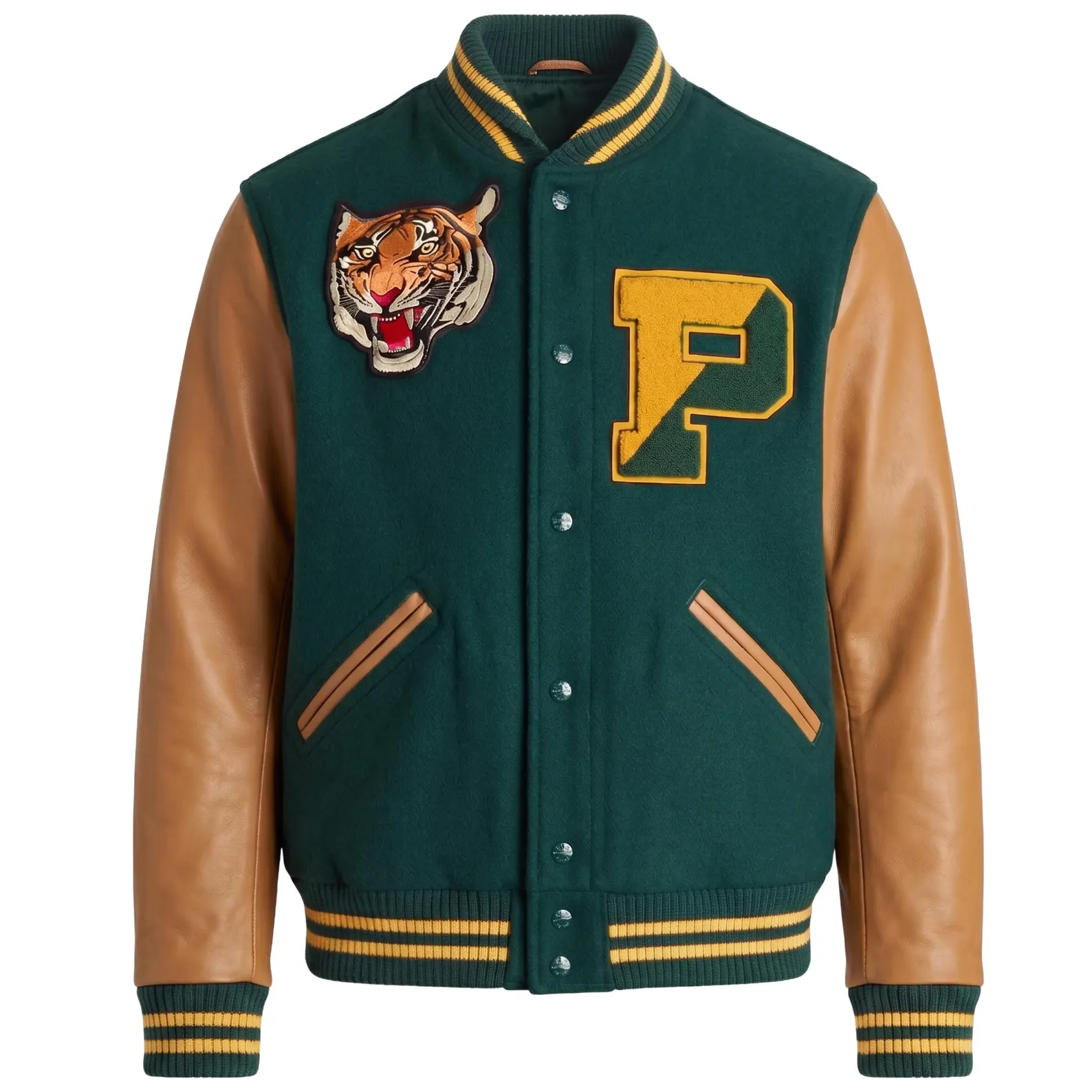
Do not choose a leather jacket that is painfully tight in the hope that it will stretch into place. Lining, seams and panels can limit how the garment changes. A substantial fur-lined aviator also takes up more room inside than an unlined shell. For BRYXEL's B3 aviator, varsity and satin bomber styles, check the particular product details and ask for clarification if the measurement chart does not answer your question.
Confirm whether measurements describe your body or the garment. Compare chest, shoulders, sleeves and length with a jacket you own. Account for the layers you intend to wear. Check the product's stated cut rather than assuming all bombers or varsity jackets fit alike. Finally, review the current size guide and applicable return terms before ordering, especially if you are choosing between two sizes.
Only if the measurements and your planned layers call for it. An oversized design may already include extra room, so a larger size is not always necessary.
Look for persistent restriction in the shoulders or arms, a front fastening that strains, or strong pulling across the chest when worn over your intended layers.
Many bombers are designed to finish around the waist or upper hip. Compare the intended cut and body length rather than judging by length alone.
Not reliably. Follow the measurements for the specific item. A unisex label does not establish one universal sizing rule.


Explore the collections or commission a one-of-one piece built around you.